
Syman Inc., located at 2101 Delta Drive, Nampa, Idaho, was founded in May 2007 by Adam and Kay Lyman and Brad and Tamara Simpson. From the beginning, Syman Inc. set out to be the premier provider of environmental compliance services for construction-related projects.
Syman Inc. specializes in the design, supply, and installation of erosion and sediment control services. Our offerings include writing Stormwater Pollution Prevention Plans (SWPPPs), Dewatering Plans, performing inspections, installing erosion and sediment control BMPs, and teaching
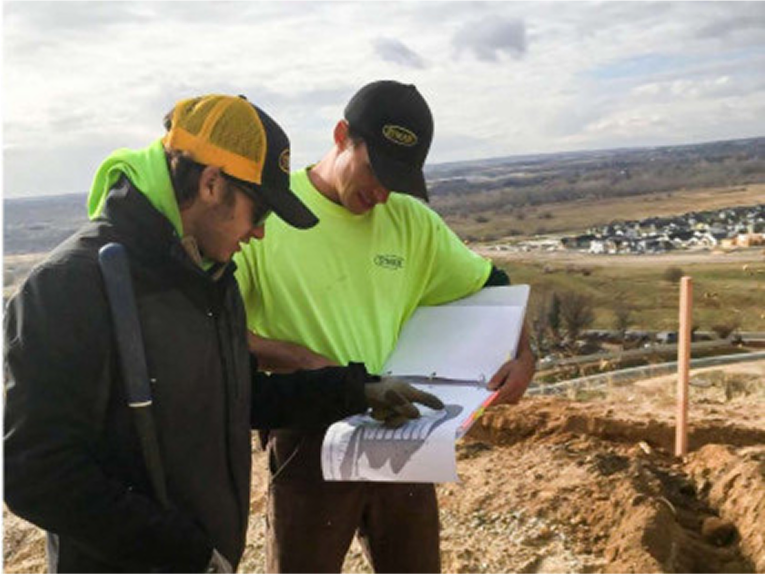
a wide variety of environmental classes across the western United States.
The organization is structured into four main departments to oversee environmental compliance:
Since 2007, Syman Inc. has grown from its original four owners to a team of approximately 60 full- and part-time employees. We write stormwater permit documents across Idaho and in surrounding states, while our construction and inspection services extend to all states bordering Idaho.
Our mission is to provide clients with the guidance and tools needed to maintain compliance with local, state, and federal environmental regulations. By partnering with Syman Inc., clients minimize the risk of potential penalties and ensure responsible, compliant construction practices.
Since 2015, Syman Inc. has managed stormwater compliance for the Eagle Lakes construction site, now consisting of three projects in the street construction phase. Early work included debris removal, sand and gravel extraction, and floodway modifications to raise the site above base flood elevation.
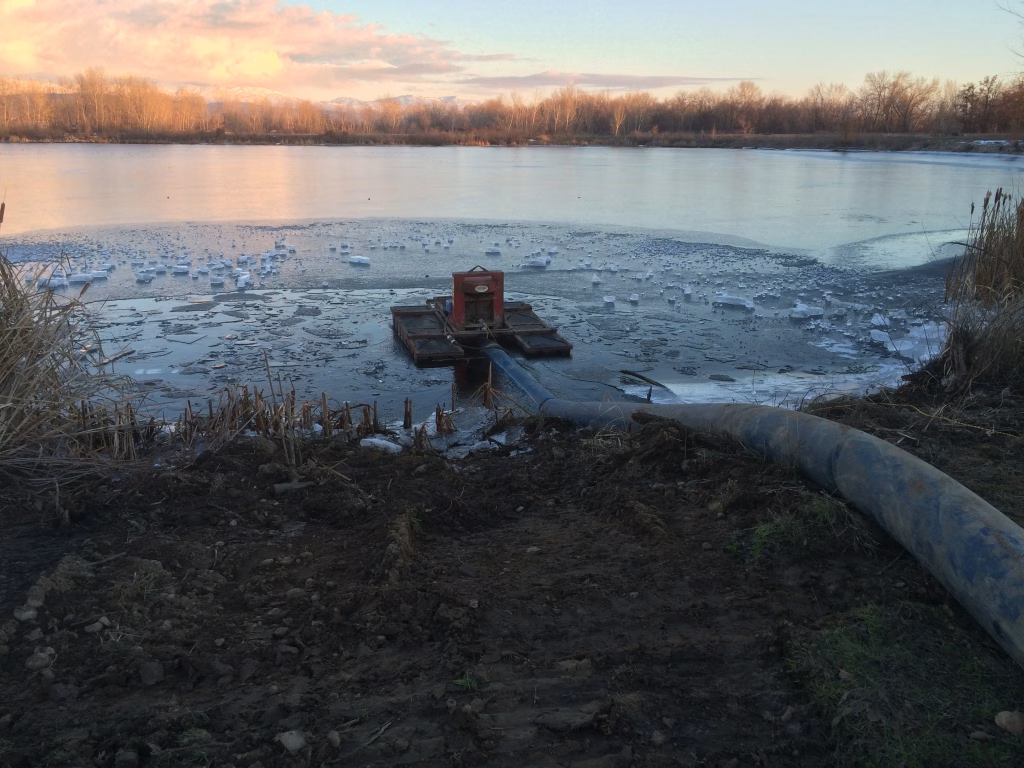
During pond modifications and dewatering, high-pH groundwater was discovered, requiring active treatment before discharge. Syman Inc. collaborated with IDEQ, the EPA, the owner, and the contractor to develop a treatment plan. They engaged hazardous materials and water treatment experts, created a dewatering plan, and implemented monitoring protocols to meet state water quality standards. Real-time monitoring data was shared through a public URL.
Throughout the project, Syman Inc. coordinated closely with the EPA via inspections, calls, emails, and in-person meetings. With dewatering complete, they continue to inspect and maintain BMPs on site to ensure ongoing compliance.
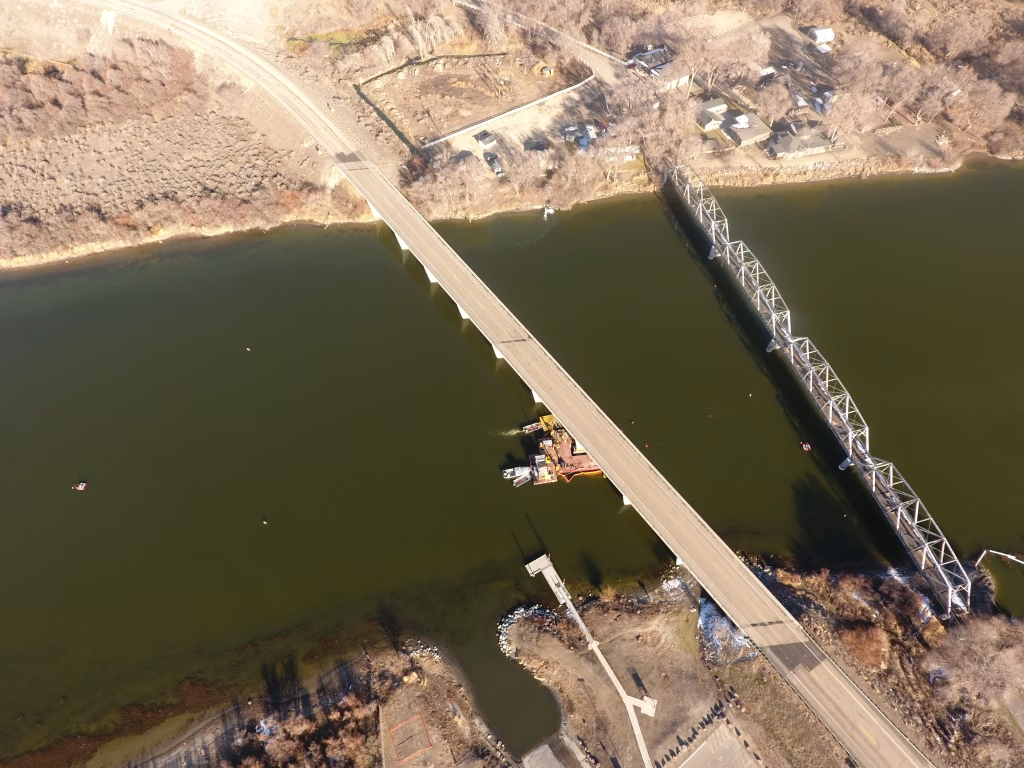
Syman Inc. set up monitoring equipment to manage dewatering discharges during major plant improvements. The system measured upstream turbidity and turbidity at the dewatering discharge outfall every 15 minutes. Data was stored in loggers mounted along the riverbank and transmitted to the contractor’s on-site computer via radio transmitter and receiver.
In addition, Syman Inc. prepared a comprehensive SWPPP, including dewatering plans, to ensure the site remained compliant with all regulatory requirements.
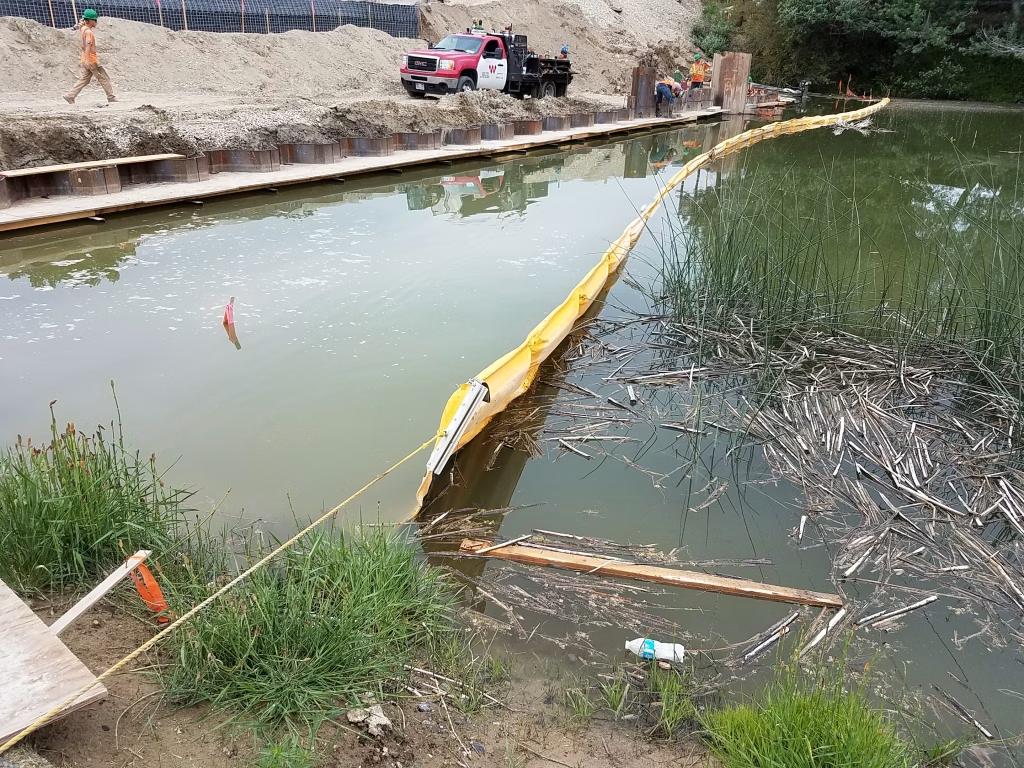
Syman Inc. deployed monitoring equipment to measure turbidity and pH downstream of a bridge rehabilitation project on the Snake River. Because of the cement and epoxy used to repair the deck and piers, monitoring was required 100 feet downstream of the active work area.
To meet this need, Syman Inc. created a solar-powered floating monitoring station that transmitted data to the job trailer located several hundred feet upland. They also trained the contractor to retrieve data and monitor critical functions, such as battery life. Syman Inc. conducted regular site visits to maintain the equipment and update the SWPPP with the collected data.
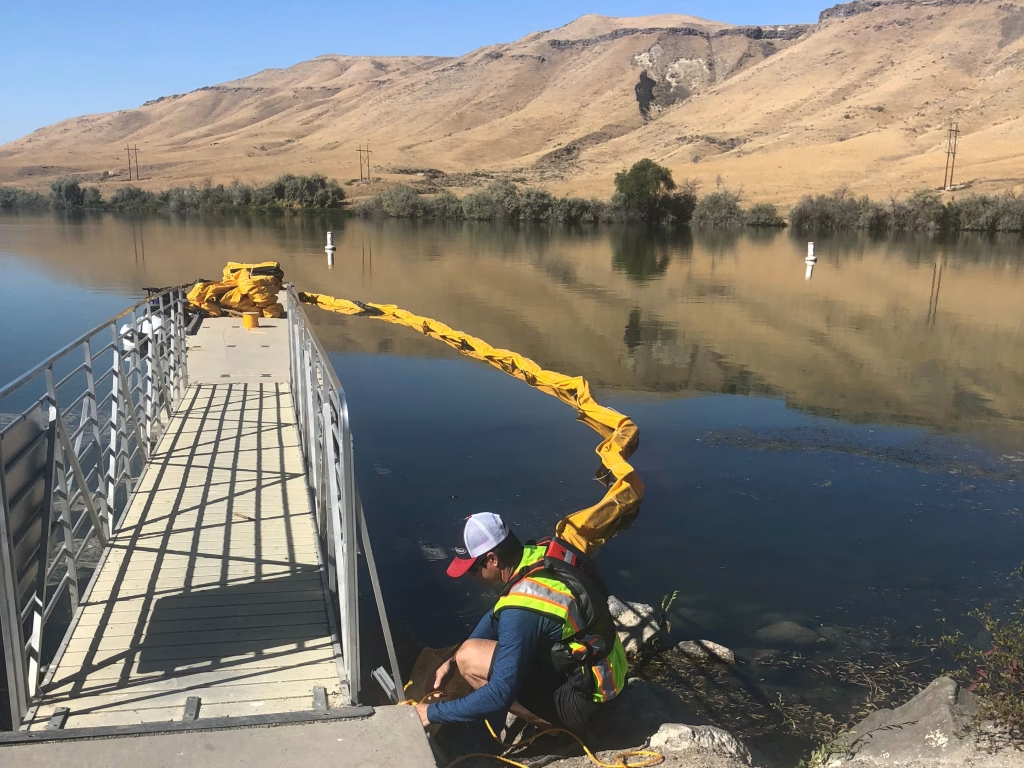
Syman Inc. deployed monitoring equipment to measure turbidity and pH downstream of construction activities at the Lower Salmon Boat Ramp. Because of the cement and epoxy used during work, monitoring was required 100 feet downstream of the active in-water work area.
To meet this requirement, Syman Inc. designed a solar-powered floating monitoring station that transmitted data to the job trailer located several hundred feet upland. The contractor was trained to retrieve the data and monitor critical functions, such as battery life. Syman Inc. conducted regular site visits to maintain the equipment and update the SWPPP with the collected data.
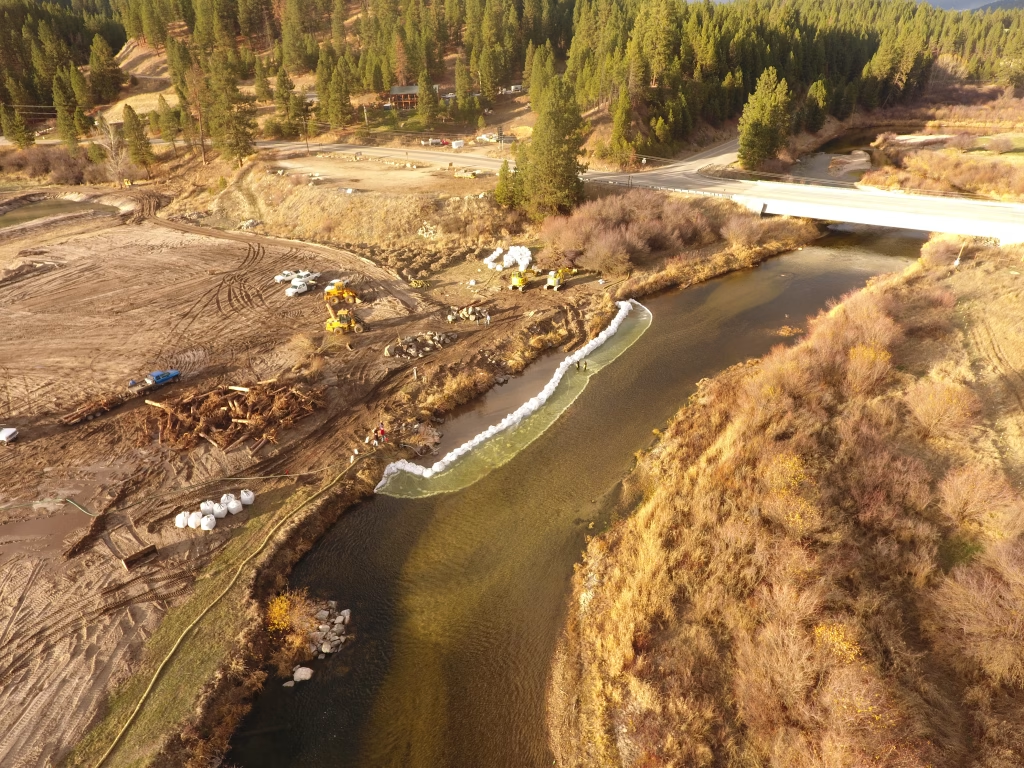
Syman Inc. managed a bank revetment project for the U.S. Army Corps of Engineers along the South Fork of the Payette River. Originally, rock barbs placed along the riverbanks in the early 1970s created aggressive eddies that eroded the banks and deposited sediment along the riverbed.
Syman Inc. was hired to mitigate this damage by deploying turbidity curtains along the bank and into the river channel to minimize downstream sediment during rock barb removal. Later, cofferdams were installed to dewater the bank, allowing heavy equipment to access the site and place logs, slag, and rocks in accordance with the approved Section 404 permit.
The project was well received by the Army Corps of Engineers and recognized as a model bank revetment for future projects.
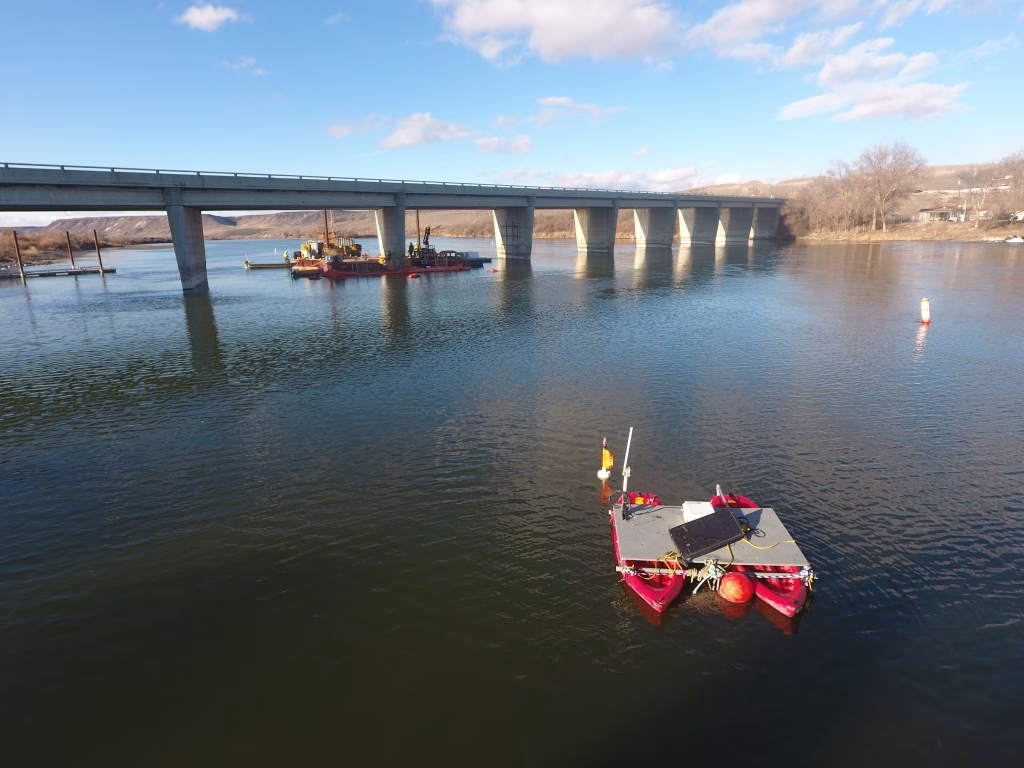
Syman Inc. deployed water monitoring for underwater pier repairs contracted by Granite Construction. Monitoring equipment with telemetry was installed upstream, within the work area, and downstream. Parameters were set by Idaho Fish and Game, the Idaho Transportation Department, and the Department of Lands. Turbidity and pH were continuously recorded, with alerts sent via email whenever water quality limits were approached.
A turbidity curtain was deployed around the piers to minimize potential concrete plumes. River currents posed a challenge, as flows changed daily due to agricultural discharges and fluctuations from the Lower Salmon Falls Dam. Multiple types of anchors were used to keep monitoring equipment and curtains in place, with large concrete blocks ultimately providing stability throughout the project.
For additional information about water quality monitoring or turbidity curtain projects, please contact Syman Inc.